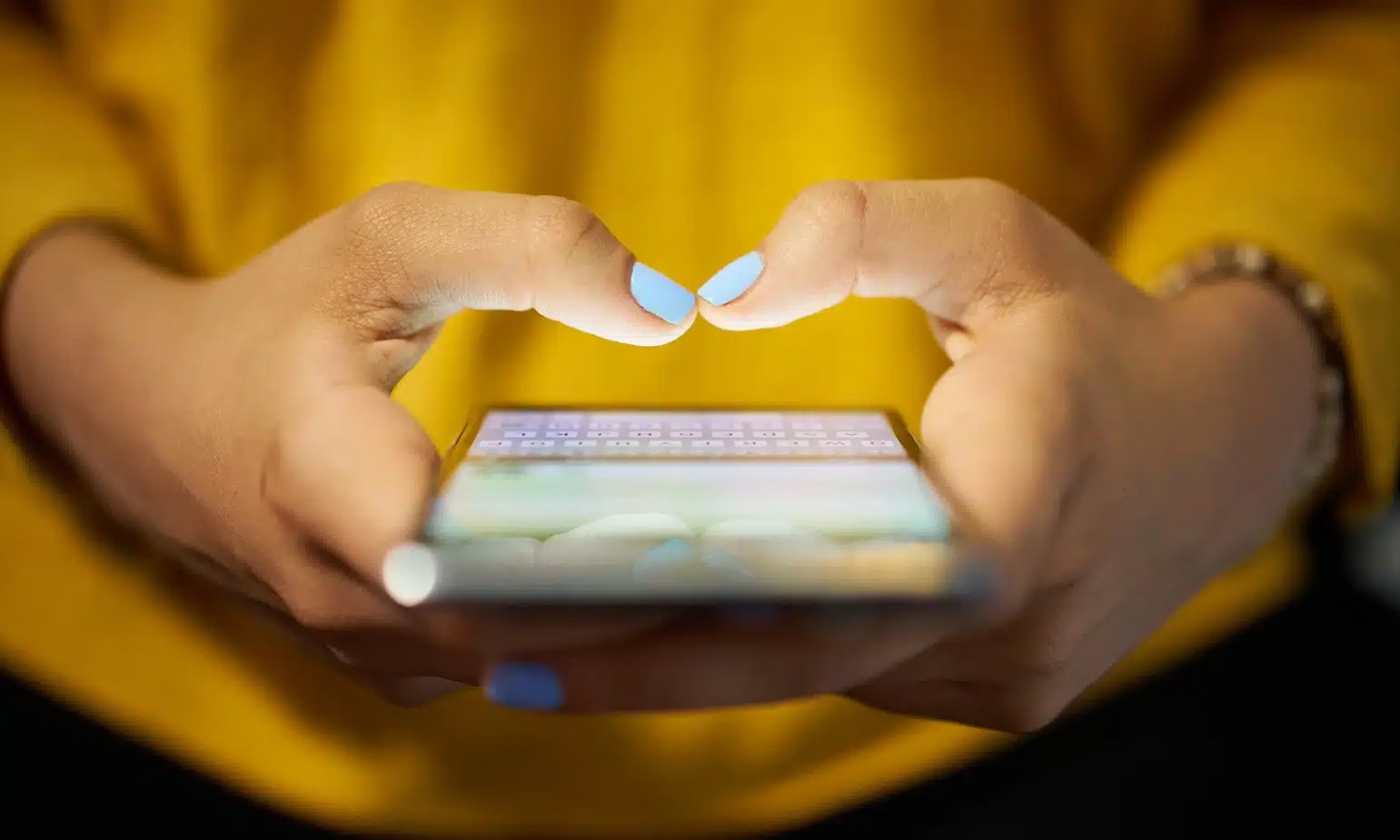
Social media has become one of the most influential parts of modern life. Platforms such as Instagram, Facebook, TikTok, X, and YouTube allow people to connect, communicate, share experiences, and consume content instantly from anywhere in the world. While social media offers many benefits, it also has a major impact on mental health.
For millions of people, social media is part of their daily routines. It influences emotions, relationships, self-esteem, productivity, and even sleep patterns. Social media can create opportunities for learning, creativity, and social support, but excessive or unhealthy usage may contribute to anxiety, stress, loneliness, depression, and emotional exhaustion.
Understanding how social media affects mental health is important for maintaining a healthy balance in today’s digital world.
The Positive Effects of Social Media on Mental Health
Although social media often receives criticism, it can also provide several mental and emotional benefits when used responsibly.
1. Helps People Stay Connected
One of the biggest advantages of social media is communication. People can stay connected with family, friends, classmates, and coworkers regardless of distance.
Social media allows users to:
- Share life updates
- Celebrate achievements
- Offer emotional support
- Maintain long-distance relationships
- Build online communities
For people who live far from loved ones or struggle with social isolation, social media can reduce feelings of loneliness and improve emotional connection.
2. Provides Access to Support Communities
Social media platforms have created communities where people facing similar challenges can support each other. Individuals dealing with mental health issues, grief, chronic illnesses, or personal struggles often find encouragement through online groups and forums.
These communities help people realize they are not alone and provide emotional comfort during difficult times.
Supportive online environments can positively impact mental well-being by encouraging open conversations about mental health.
3. Encourages Creativity and Self-Expression
Social media gives users opportunities to express themselves creatively through photos, videos, writing, art, music, and storytelling.
Creative expression can improve confidence, reduce stress, and help individuals communicate emotions in healthy ways. Many people use social media to showcase talents, build careers, and connect with audiences who share similar interests.
Content creation can also provide a sense of purpose and accomplishment.
4. Educational and Motivational Content
Many social media platforms provide educational, inspirational, and motivational content. Users can access mental health advice, fitness guidance, productivity tips, and personal development resources.
Positive content may encourage healthier habits, self-improvement, and emotional growth.
Mental health professionals and wellness creators also use social media to spread awareness and reduce stigma surrounding mental health issues.
Negative Effects of Social Media on Mental Health
Despite its benefits, excessive or unhealthy social media use can negatively affect mental health in several ways.
1. Anxiety and Stress
Constant exposure to notifications, messages, news updates, and online interactions can increase stress levels. Many users feel pressure to stay active online and respond quickly to messages or comments.
Social media can also create fear of missing out, commonly known as FOMO. Seeing others share vacations, achievements, parties, or luxurious lifestyles may cause individuals to feel left behind or dissatisfied with their own lives.
This comparison culture can increase anxiety and emotional stress.
2. Depression and Loneliness
Although social media connects people digitally, excessive usage may sometimes increase feelings of loneliness and depression.
People often compare their real lives to carefully edited online content. Since users usually share highlights rather than struggles, social media can create unrealistic expectations about happiness, beauty, success, and relationships.
Constant comparison may damage self-esteem and contribute to sadness or emotional insecurity.
Research has shown that excessive screen time and social media addiction are linked to higher rates of depression, especially among teenagers and young adults.
3. Low Self-Esteem and Body Image Issues
Social media platforms heavily focus on appearance, popularity, and public validation through likes, followers, and comments.
Many users feel pressure to look perfect or gain online approval. Filters, photo editing, and unrealistic beauty standards can negatively affect body image and self-confidence.
Young people are particularly vulnerable to self-esteem issues caused by online comparisons. Constant exposure to idealized lifestyles and appearances may create feelings of inadequacy.
4. Cyberbullying and Online Harassment
Cyberbullying has become a major concern in the digital age. Online harassment, negative comments, trolling, and bullying can seriously impact mental health.
Victims of cyberbullying may experience:
- Anxiety
- Depression
- Emotional trauma
- Fear
- Social withdrawal
- Low self-worth
Unlike traditional bullying, online harassment can happen continuously and reach large audiences quickly.
Creating safer online spaces remains an important challenge for social media companies and users alike.
5. Addiction and Excessive Screen Time
Social media platforms are designed to keep users engaged for long periods. Infinite scrolling, notifications, short videos, and personalized algorithms encourage repeated usage.
Many people spend hours daily on social media without realizing how much time has passed. Excessive usage can reduce productivity, interfere with personal relationships, and contribute to emotional exhaustion.
Social media addiction may also increase stress and reduce overall life satisfaction.
6. Sleep Problems
Using social media late at night can negatively affect sleep quality. Blue light from screens interferes with the body’s natural sleep cycle, making it harder to fall asleep.
Many people also stay awake longer while scrolling through content or watching videos. Poor sleep can increase irritability, stress, anxiety, and fatigue.
Good sleep is essential for emotional stability and mental health, making screen-time management very important.
Social Media and Teen Mental Health
Teenagers are among the most active social media users, making them especially vulnerable to its mental health effects.
During adolescence, individuals are still developing emotionally and socially. Online pressure, cyberbullying, social comparison, and the desire for approval can strongly influence teen mental well-being.
However, social media can also help teenagers:
- Build friendships
- Express creativity
- Access educational content
- Explore interests
- Find supportive communities
The key is balanced, healthy use combined with parental guidance and digital awareness.
How to Use Social Media in a Healthy Way
Social media itself is not entirely good or bad. The impact often depends on how it is used. Developing healthy digital habits can help reduce negative effects on mental health.
1. Limit Screen Time
Setting daily limits for social media usage can reduce stress and improve productivity.
2. Follow Positive Content
Following motivational, educational, and supportive accounts can create a healthier online environment.
3. Avoid Constant Comparison
Remember that social media often shows edited highlights rather than real-life struggles.
4. Take Digital Breaks
Regular breaks from social media can improve focus, sleep, and emotional well-being.
5. Prioritize Real-Life Relationships
Spending time with family and friends offline helps maintain emotional balance and stronger personal connections.
6. Protect Mental Health
Mute, unfollow, or block accounts that create negativity, stress, or emotional discomfort.
The Responsibility of Social Media Platforms
Social media companies also play a role in protecting user mental health. Platforms are increasingly introducing tools such as:
- Screen-time reminders
- Content moderation
- Privacy controls
- Anti-bullying features
- Mental health resources
Technology companies continue facing pressure to create safer and healthier digital environments for users of all ages.
Conclusion
Social media has transformed modern communication and daily life in powerful ways. It offers opportunities for connection, creativity, education, and support, but it also presents challenges that can affect mental health negatively.
Excessive use, online comparison, cyberbullying, and digital addiction can contribute to anxiety, depression, stress, and low self-esteem. At the same time, positive online communities and meaningful connections can improve emotional well-being when used responsibly.
Maintaining balance is the key to healthy social media use. By developing mindful digital habits and prioritizing mental health, individuals can enjoy the benefits of social media while minimizing its harmful effects.