Social media has completely transformed the way politics functions in the modern world. Platforms such as Facebook, X, Instagram, TikTok, and YouTube have become powerful tools for political communication, campaigning, public engagement, and opinion formation. Political leaders, parties, activists, and citizens now rely heavily on social media to share ideas, discuss issues, and influence public opinion.
In the past, politics was mainly shaped through newspapers, television, radio, and public rallies. Today, social media allows politicians to connect directly with millions of people instantly. While this digital transformation has created many opportunities for greater participation and awareness, it has also introduced challenges such as misinformation, online polarization, and digital manipulation.
The Rise of Social Media in Politics
The growth of internet access and smartphone usage has made social media one of the most influential communication tools in the world. Political organizations quickly recognized the power of these platforms to reach voters more effectively and at lower costs than traditional advertising.
Social media enables politicians to communicate directly with citizens without relying entirely on news channels or newspapers. Political leaders can post updates, respond to public concerns, share campaign messages, and broadcast live events instantly.
This direct interaction has changed the relationship between politicians and the public. Citizens now expect real-time communication and transparency from political leaders.
Social Media as a Political Campaign Tool
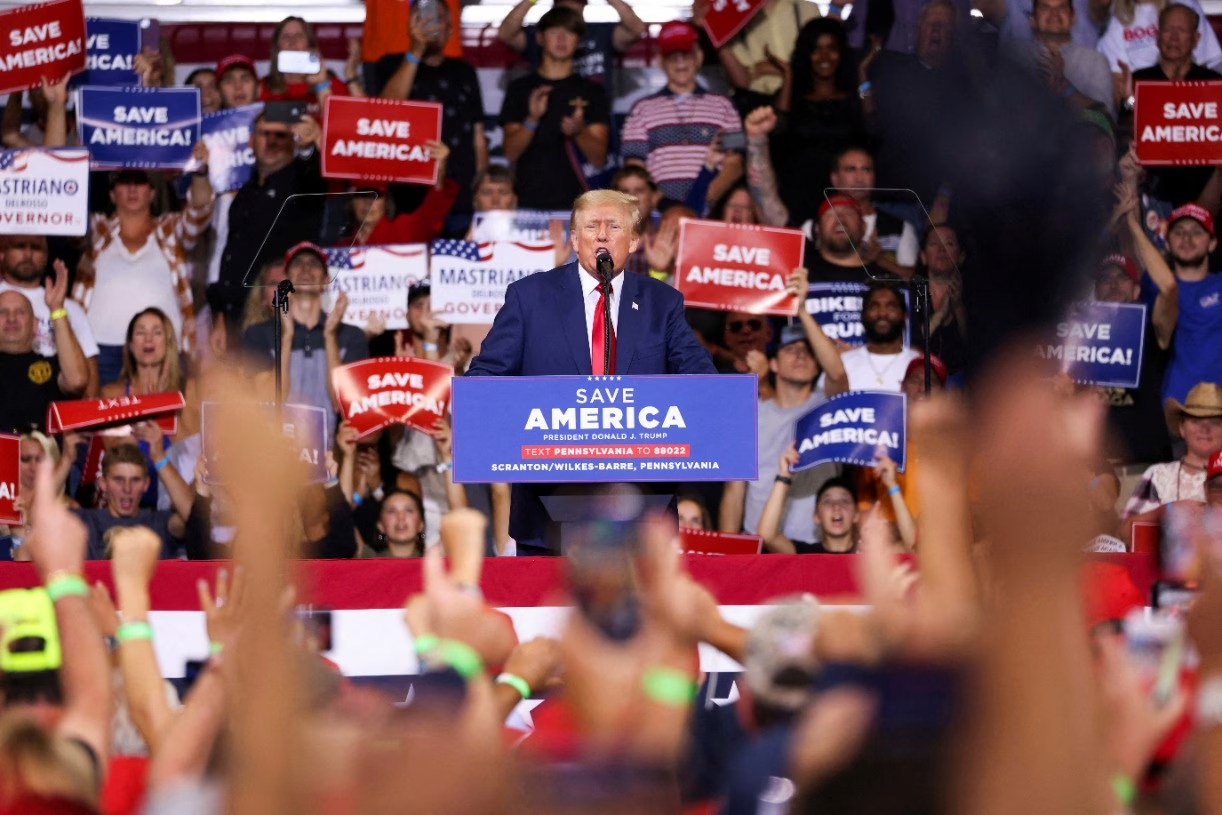
One of the most important roles of social media in modern politics is political campaigning. Election campaigns have shifted significantly toward digital platforms because they allow politicians to target audiences more precisely and engage with voters personally.
1. Reaching Large Audiences Quickly
Social media platforms allow political parties to spread campaign messages to millions of people within seconds. Videos, images, speeches, and political advertisements can go viral rapidly, increasing visibility and public engagement.
A single social media post can reach far more people than a traditional rally or newspaper advertisement. This has made digital campaigning an essential part of modern elections.
2. Cost-Effective Campaigning
Traditional political campaigns involving television advertisements, billboards, and large public events are often expensive. Social media offers a more affordable alternative for political promotion.
Even smaller political parties and independent candidates can use social media to compete with larger organizations. Low-cost digital campaigns have created more opportunities for new political voices to emerge.
3. Personalized Political Advertising
Social media platforms collect user data, allowing political advertisers to target specific groups based on age, location, interests, and behavior. This helps campaigns deliver personalized messages to different voter groups.
For example, younger voters may receive content about education and employment, while older voters may see posts focused on healthcare and pensions.
Public Engagement and Political Awareness
Social media has increased public participation in political discussions. Citizens are no longer passive consumers of news; they actively comment, debate, share opinions, and engage with political content daily.
1. Increased Political Participation
People can now participate in political conversations from anywhere using their smartphones or computers. Hashtags, online campaigns, and viral posts often encourage citizens to become more politically active.
Social media has especially increased political involvement among younger generations who spend significant time online. Many young voters receive most of their political information through digital platforms.
2. Real-Time News and Information
Social media allows people to access breaking political news instantly. Political events, speeches, protests, and election updates can be shared in real time across the world.
This speed of communication has made politics more transparent and accessible. Citizens can quickly learn about government decisions, policy changes, and global political developments.
3. Giving a Voice to the Public
Social media has empowered ordinary citizens by allowing them to express opinions publicly. People can challenge political leaders, support social causes, and organize movements online.
Many social and political movements have gained international attention through social media campaigns. Online activism has become a powerful force in shaping public debates and influencing government responses.
The Influence of Influencers and Digital Personalities
Digital creators, influencers, and online personalities also influence modern politics. Political discussions are no longer limited to journalists or politicians. Influencers with large followings often shape public opinion by discussing political issues on their platforms.
Some influencers openly support political parties or social movements, encouraging followers to vote or participate in campaigns. This has expanded the reach of political messaging to audiences who may not follow traditional news media.
Challenges of Social Media in Politics
Although social media has many benefits, it also poses serious challenges to democratic systems and public trust.
1. Spread of Misinformation
One of the biggest concerns is the rapid spread of false information. Fake news, manipulated videos, and misleading political content can quickly go viral, unfairly influencing public opinion.
Misinformation during elections can confuse voters and damage trust in democratic institutions. Since social media allows anyone to publish content instantly, verifying information becomes difficult.
2. Political Polarization
Social media algorithms often show users content similar to what they already believe. This creates “echo chambers” where people primarily interact with opinions that align with their own views.
As a result, political divisions can intensify, leading to increased hostility between groups. Polarization may reduce healthy political discussion and compromise.
3. Online Harassment and Toxicity
Political discussions on social media can sometimes become aggressive and harmful. Politicians, journalists, activists, and ordinary users may face online abuse, threats, and harassment.
This hostile environment can discourage meaningful political conversations and instill fear among individuals who express opinions publicly.
4. Privacy and Data Concerns
Political campaigns often rely on user data to target advertisements and influence voter behavior. This raises concerns about privacy and the ethical use of personal information.
Data misuse and digital surveillance have become major issues in modern political communication.
The Role of Social Media During Elections
Elections around the world are increasingly influenced by social media activity. Political parties use digital strategies to mobilize supporters, encourage voter turnout, and shape election narratives.
Live streams, online debates, digital advertisements, and trending hashtags now play major roles in election campaigns. Voters often use social media to compare candidates, discuss policies, and share political opinions.
At the same time, governments and technology companies face growing pressure to prevent election interference, misinformation, and the spread of fake accounts during election periods.
The Future of Social Media in Politics
The role of social media in politics will continue to grow as technology evolves. Artificial intelligence, data analytics, and digital communication tools are likely to make political campaigns even more personalized and interactive.
Future political communication may include virtual events, AI-generated content, and advanced voter targeting strategies. Governments and technology companies will need to balance innovation with ethical responsibilities.
Regulations regarding misinformation, privacy, and digital transparency may also become stricter to protect democratic processes.
Conclusion
Social media has fundamentally changed modern politics by transforming communication, campaigning, public engagement, and political participation. It has made politics more accessible, interactive, and immediate than ever before.
Platforms like Facebook, X, Instagram, TikTok, and YouTube have given political leaders and citizens powerful tools to share ideas, influence opinions, and organize movements. At the same time, challenges such as misinformation, polarization, and privacy concerns highlight the need for responsible use of digital platforms.
As technology continues to evolve, social media will remain a major force shaping political systems around the world. Understanding its influence is essential for citizens, governments, and future generations who want to participate effectively in modern democracy.